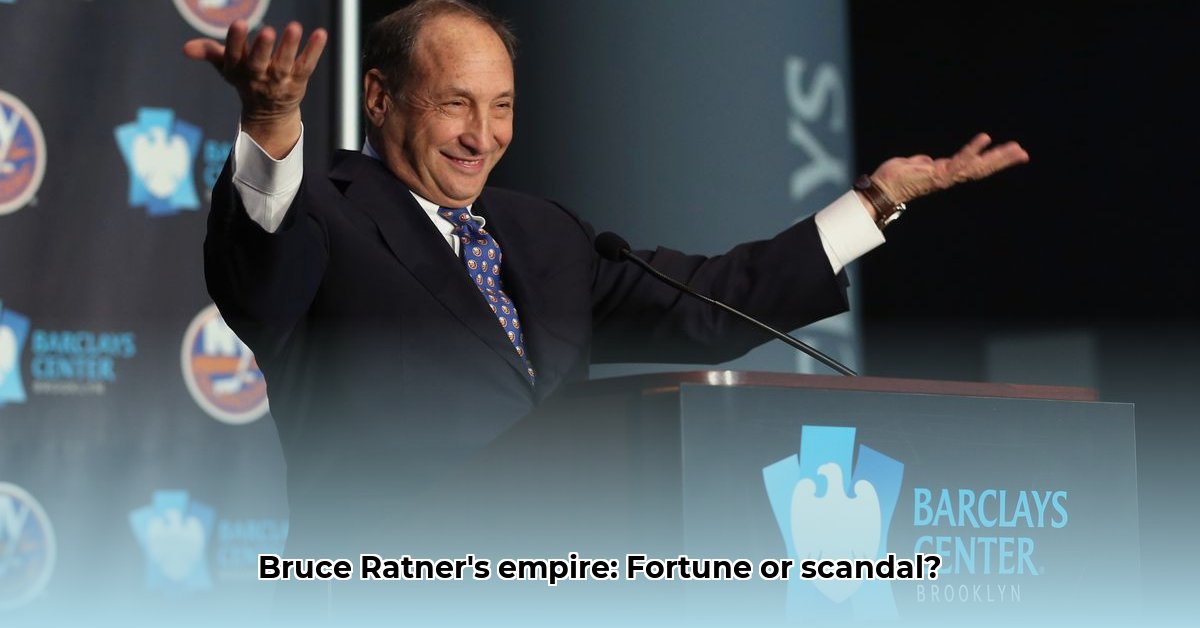
Bruce Ratner's name is synonymous with large-scale real estate development in New York City, specifically Brooklyn. His net worth, a testament to his success, is inextricably linked to his projects, which have generated both significant economic growth and considerable social controversy. Understanding Ratner's financial success requires a nuanced examination of his career, acknowledging both the positive economic impacts and the ethical questions surrounding his projects' effects on communities.
Bruce Ratner's Net Worth: A Complex Legacy
Ratner's considerable net worth is the product of decades of navigating the complex world of real estate development. His family's background in the industry provided a foundation, but his acumen for identifying and executing large-scale projects, along with his negotiation skills in securing substantial investment, propelled his rise. While a precise figure for his net worth isn't publicly available, his success is undeniable, reflected in his extensive portfolio of projects. However, simply quantifying his wealth fails to capture the multifaceted nature of his impact.
Atlantic Yards/Pacific Park: A Defining Project, A Source of Intense Debate
The Atlantic Yards project, later rebranded as Pacific Park, stands as both a monument to Ratner's ambition and a focal point of criticism. This massive undertaking transformed a significant portion of Brooklyn, including the construction of the Barclays Center and numerous residential towers. However, the project's reliance on eminent domain to acquire land led to the displacement of numerous residents and businesses, sparking accusations of gentrification.
While proponents lauded the project for its economic benefits—job creation, increased tax revenue, and revitalization of a neglected area—critics highlighted the significant human cost. This includes the displacement of long-term residents and the loss of affordable housing options. The project also experienced significant delays and cost overruns, fueling public discontent. The Atlantic Yards saga underscores the intricate ethical considerations inherent in large-scale urban development—posing the question: Does economic progress justify the potential social upheaval experienced by communities?
Beyond Barclays: A Broader Impact
Ratner's influence extends beyond the Atlantic Yards project. His involvement in developments like MetroTech Center further demonstrates his ability to shape urban landscapes. These projects have undeniably brought economic benefits, including job creation and increased tax revenue. Yet, the long-term consequences and the potential for unintended social consequences, such as displacement and the alteration of community character, remain subject to ongoing debate among urban planning experts.
The full picture of Ratner's impact, both positive and negative, is still developing. This highlights the need for long-term assessments of large-scale urban development projects, considering not only the economic benefits but also the crucial social consequences.
Defining Success Beyond the Bottom Line
Ratner's career compels a reassessment of what constitutes success in real estate. While his financial achievements are undeniable, a more complete understanding requires considering the broader social and ethical implications of his work. His story highlights the need for a more holistic approach to urban development, encompassing environmental considerations and social responsibility alongside purely economic aspects.
Mitigating Gentrification Risks in Large-Scale Development: Lessons from Ratner's Experience
Bruce Ratner’s career serves as a cautionary tale, illustrating the potential pitfalls of large-scale development without sufficient attention to mitigating gentrification. The Atlantic Yards project highlights the urgent need for proactive strategies to balance economic growth with social equity.
Key Strategies for Mitigating Gentrification:
Inclusionary Zoning: Mandating a percentage of affordable housing units within new developments. However, true affordability often requires robust subsidies.
Community Land Trusts (CLTs): Acquiring and holding land to provide long-term affordable housing, preserving community character. Requires community involvement and funding.
Tenant Protections: Implementing robust rent control and eviction protections to shield vulnerable residents. Balancing renters’ and owners’ rights remains a challenge.
Community Engagement: Fostering meaningful, ongoing dialogue with existing residents to shape development plans and alleviate potential displacement.
Financial Assistance Programs: Providing subsidized housing, rental assistance, and property tax relief. Funding and effective administration are paramount.
Mixed-Income Developments: Creating a diverse mix of housing to prevent the concentration of wealth and the displacement of lower-income residents. This necessitates careful planning and execution.
The Role of Government Regulation:
Effective government regulation plays a critical role. Zoning regulations, tax incentives, and robust affordable housing initiatives can significantly influence development outcomes. However, such measures often face political and economic opposition—requiring strong political will and appropriate funding.
Key Takeaways: Proactive planning, community engagement, and multifaceted approaches are crucial in mitigating gentrification risks. Long-term affordability and a balance between economic growth and social equity are achievable but require collaborative efforts from developers, policymakers, and community stakeholders. The story of Bruce Ratner and his projects serves as a crucial reminder of the necessity of such a holistic approach.